DB25 #14 — empire strikes back
“Pat tofu dry” is the biggest lie in cooking. It’s like the transporter in Star Trek — we suspend our disbelief in exchange for moving the story and/or recipe along. Speaking of travel among the stars, I just can’t let the last eposide in the series go. It’s hard to believe that I couldn’t find a DB-25 somewhere in the Soviet/Russian space program. So hard, in fact, that I bet one of you that it could be done.
Without further ado, I present:
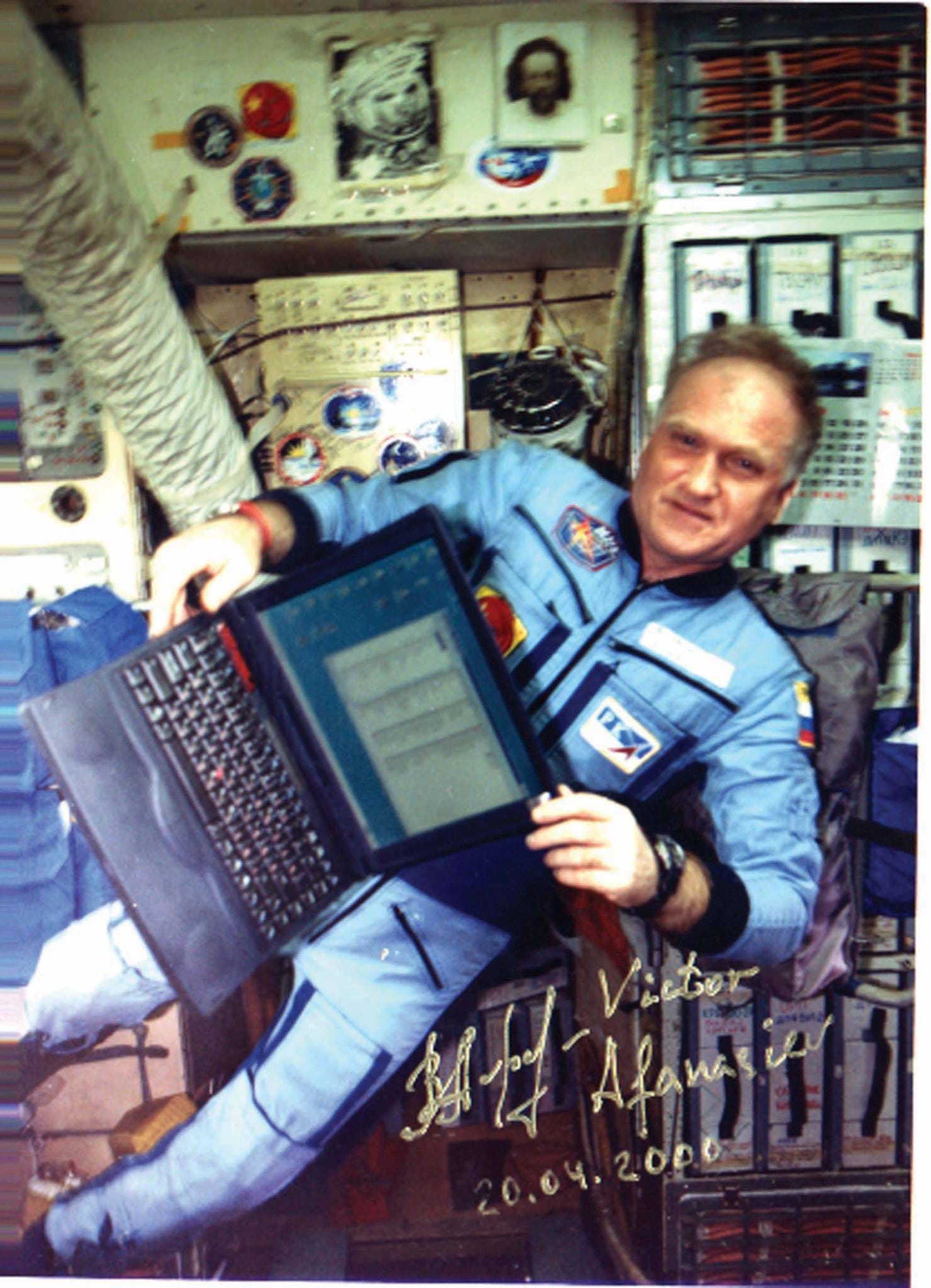
The ASUS P6300 laptop (with DB25 printer port) aboard the Mir space station. Phew. Imperial units strike back.
Does this really count, though? It’s just a laptop. Yes it does. The Soviet system was closed except for all the ways it needed to not be. For a while, one of the most popular educational computers in the Soviet Union was the Yamaha YIS-503, a Japanese machine built to the Microsoft-backed MSX specification. That machine didn’t have a DB25 connector, but it did feature related DE9 connectors for joysticks of the Atari type. Strategic and timely imports let the rest of the Russian system remain Russian. The "superior" Russian metric rail gauge of 1520mm is really the the 1524mm (5’) rail gauge popular in the American South in the second half of the 19th century and brought to Russia in the 1840s by American railroad engineer George Washington Whistler.
Technical debt is something that works both ways. We say it for each design choice we drag forward from the past — I’m looking at you DB25 — but debt and baggage are really different things. The technical debt in the above photograph isn’t in the background, it’s in the foreground. It’s a new loan on new technology. That’s not just a Western laptop — it’s a laptop running Windows ‘95.
Good idea or not, the Russians had no time to pat the tofu dry — to build the kind of modern computing industry from scratch that would put dinner on tables.
Member discussion